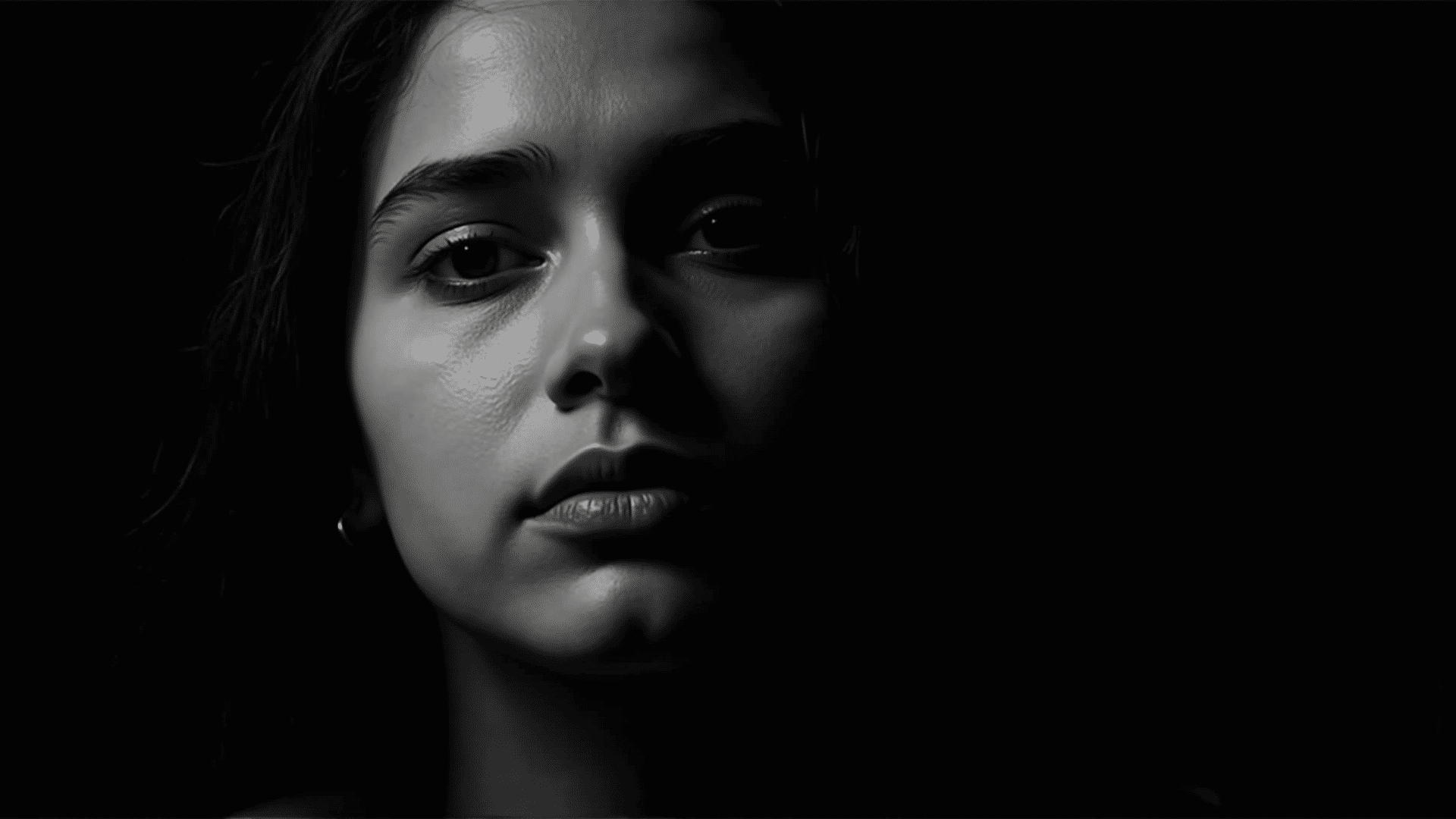
Photography is a captivating blend of art and science, where light plays an essential role. It's not just about illuminating a subject; it's about using light to shape emotions, highlight details, and breathe life into an image. By understanding and manipulating different sources of light, photographers can transform ordinary scenes into extraordinary visions.
Natural light, with its richness and depth, provides a versatile palette for photographers. The golden hour, shortly after sunrise or before sunset, casts a warm glow that adds softness and dimension to portraits and landscapes alike. Midday light, often avoided due to its harshness, can create striking contrasts and sharp shadows, perfect for adding drama to architectural photography. Overcast days, with their diffuse, even illumination, help in capturing the details without stark contrasts, making them ideal for close-up shots and portraits.
Beyond natural light, artificial lighting opens a world of creative possibilities. Photographers often begin with basic setups such as a single light source to understand how light direction impacts a subject. Moving the light source around the subject changes the mood dramatically, from the soft, even glow of front lighting to the depth and drama of side lighting.
Advanced techniques involve multiple light sources and modifiers. Softboxes, umbrellas, and reflectors help soften and spread light, creating a gentle look that works well for portraits. Meanwhile, using gels introduces color to the scene, enabling photographers to add an artistic touch or alter the scene's mood entirely.
For those looking for more creative expressions, light painting and long exposure techniques allow you to capture the movement of light. By keeping the shutter open for extended periods, photographers can trace lines of light, creating vibrant, dynamic images that captivate and inspire.
Incorporating lighting into a shot requires not only technical skill but also a strong sense of creativity and experimentation. By understanding both the theory behind lighting and its practical applications, photographers can push the boundaries of their art, producing images that are not only visually stunning but also deeply emotional. Light is not just a tool but a collaborator in the creative process, guiding the viewer's eyes and emotions through a carefully crafted visual narrative.
In conclusion, mastering lighting techniques in photography opens countless avenues for creative expression. Whether harnessing the sun's natural rays or constructing intricate artificial setups, the artful control of light can elevate your photography from ordinary to extraordinary.