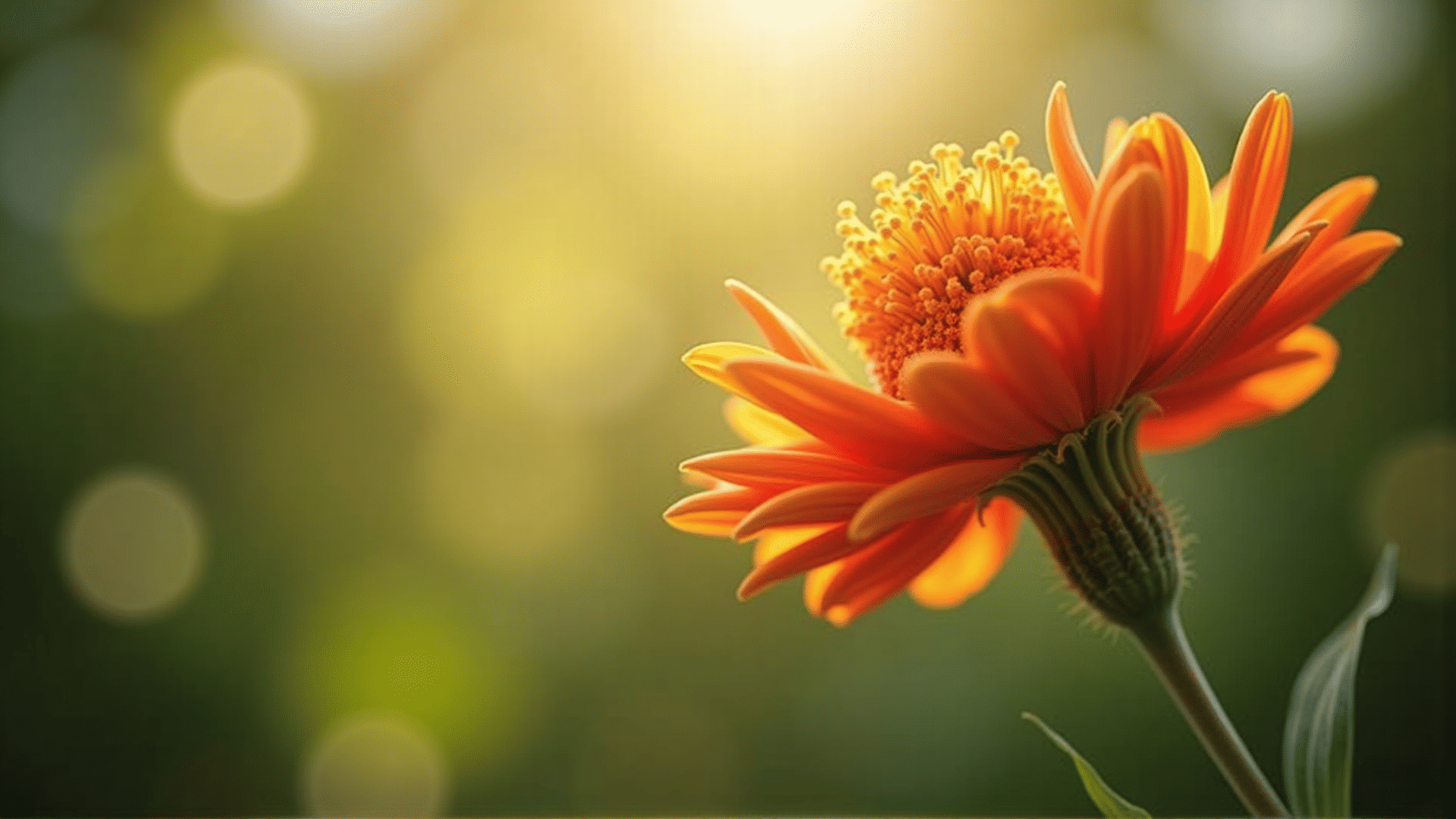
Depth of field is a crucial concept that can significantly influence the aesthetic quality of your photographs. It refers to the distance between the nearest and farthest objects in a photo that appear acceptably sharp. By gaining control over this element, photographers can add a layer of creativity and professionalism to their work, enhancing both composition and storytelling.
Understanding depth of field starts with a grasp of its main components: aperture, focal length, and distance from the subject. Aperture, or f-stop, is a key factor. A smaller number like f/2.8 means a larger aperture that allows more light to enter and results in a shallow depth of field. This is ideal for portraits where you might want the subject in sharp focus while the background is pleasingly blurred.
On the other hand, a larger f-stop number such as f/16 produces a smaller aperture, thereby increasing the depth of field. This setting is suitable for landscapes where it's often desirable for both the foreground and background to be in focus. Thus, adjusting the aperture is crucial in achieving the desired effect.
Focal length also plays a pivotal role. A longer focal length tends to decrease the depth of field, making it ideal for isolating a subject from its surroundings. Conversely, a shorter focal length increases depth, capturing more elements within the focus range, which can be beneficial in wide-angle shots.
The distance between the camera and the subject further influences depth of field. Moving closer to the subject reduces the depth of field, while stepping back increases it. This is particularly useful in macro photography, where the emphasis is often on highlighting intricate details.
To master these aspects, practice is key. Experiment with different settings in varying environments to understand how each component affects the outcome. By doing so, you'll be able to make informed decisions that enhance the storytelling ability of your photographs.
Additionally, considering the framing and composition of your shots can complement your understanding of depth of field. Leading lines and natural frames can draw attention to the focal point, while negative space can be cleverly used to emphasize the subject against a blurred background.
In practical terms, setting aside time to shoot in various conditions and analyzing the results can significantly improve your skills. Observe how different light conditions and settings impact depth of field and how they can be manipulated to create artistic effects.
In the end, mastering depth of field is not just about technical proficiency. It's about using this tool creatively to convey emotion, mood, and intention in your imagery. Whether you're aiming for the dreamy bokeh effect in a portrait or the sharp clarity of a landscape, a good command of depth of field can elevate your photography from ordinary to extraordinary.