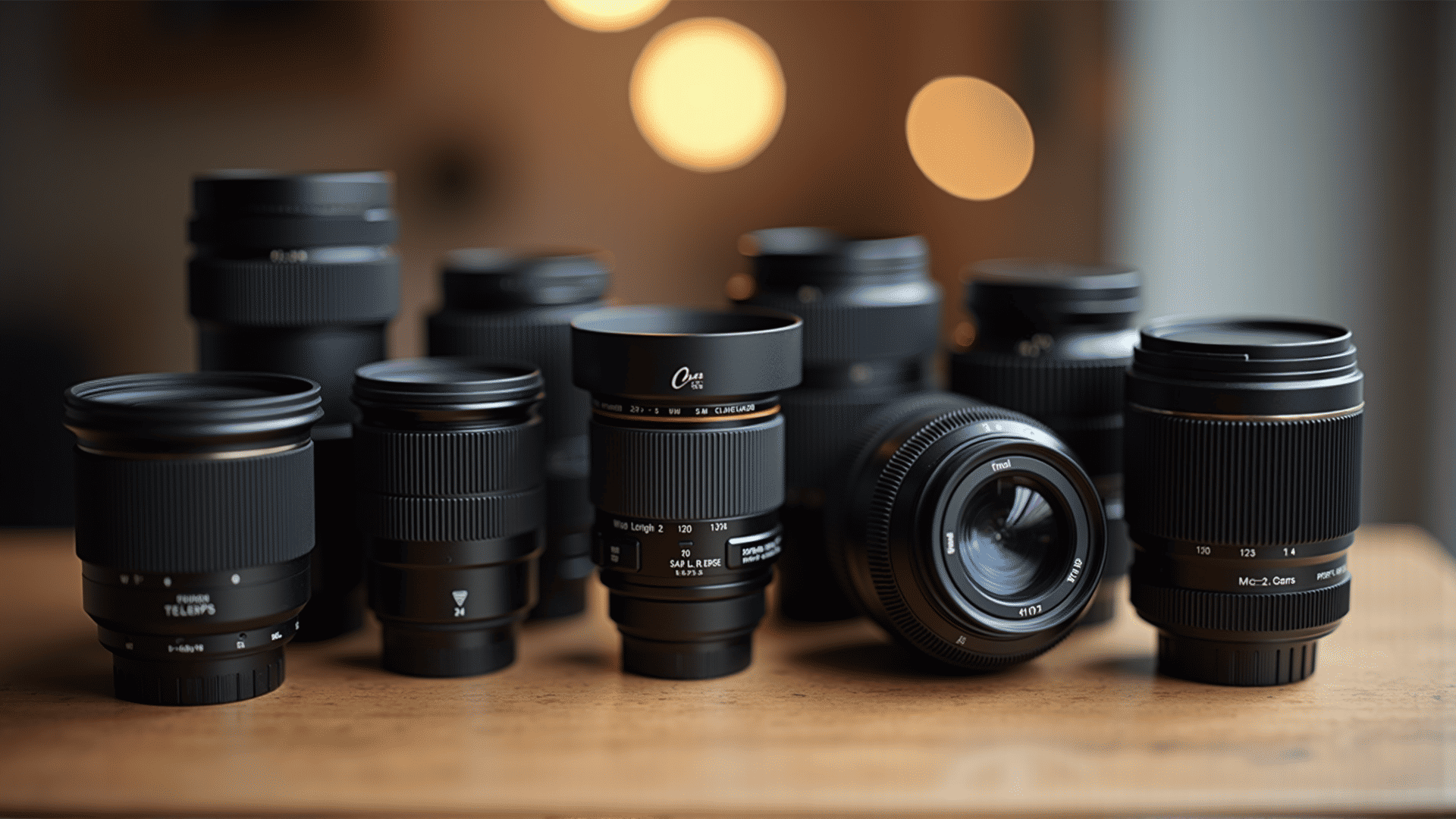
When capturing images, the choice of lens can dramatically impact the final product, influencing both focal length and perspective. Understanding how different lenses work helps in selecting the ideal one for your specific needs.
The first consideration is focal length, which affects how much of the scene is captured. Lenses are often categorized as wide-angle, standard, or telephoto. Wide-angle lenses, typically less than 35mm, allow photographers to include more of the scene in the frame, making them suitable for landscapes or architectural shots. By contrast, telephoto lenses, those with a focal length over 70mm, excel at isolating a subject or capturing distant details, perfect for wildlife or sports.
Standard lenses, often around 50mm, closely mimic the human eye's perspective. They offer a balanced view, making them incredibly versatile for various compositions. Additionally, some lenses are prime—fixed at a single focal length—while others are zoom lenses, offering a range of focal lengths. Prime lenses often provide better clarity and are less cumbersome while zoom lenses offer great flexibility.
Another crucial factor is the aperture of the lens, indicated by the 'f-number.' A lower f-number signifies a larger aperture, allowing more light to reach the sensor. This capability is invaluable in dim lighting conditions and also provides a shallow depth of field. Such a feature means subjects can be sharply focused against beautifully blurred backgrounds, ideal for portraiture.
The physical construction of the lens also plays a part. Materials and technology have advanced significantly, offering choices with reduced distortion and enhanced clarity. Lens coatings help minimize reflections, improving image contrast and color fidelity.
Also worth exploring is how the lens captures perspective. Wide-angle lenses accentuate depth and make subjects appear further apart than reality. Telephoto lenses compress the scene, making distant objects appear closer together and more prominent, which can dramatize landscapes or highlight certain features in a setting.
Moreover, specialty lenses like macro, which allow for extreme close-ups, open another realm of photographic possibilities. These lenses reveal intricate details in subjects like flowers or insects, easily overlooked by the naked eye.
In conclusion, the right lens transforms the photographic experience, offering new perspectives and creative opportunities. Whether capturing expansive landscapes, intimate portraits, or distant wildlife, understanding the nuances of lens options and their effects can elevate the quality and creativity of your images.