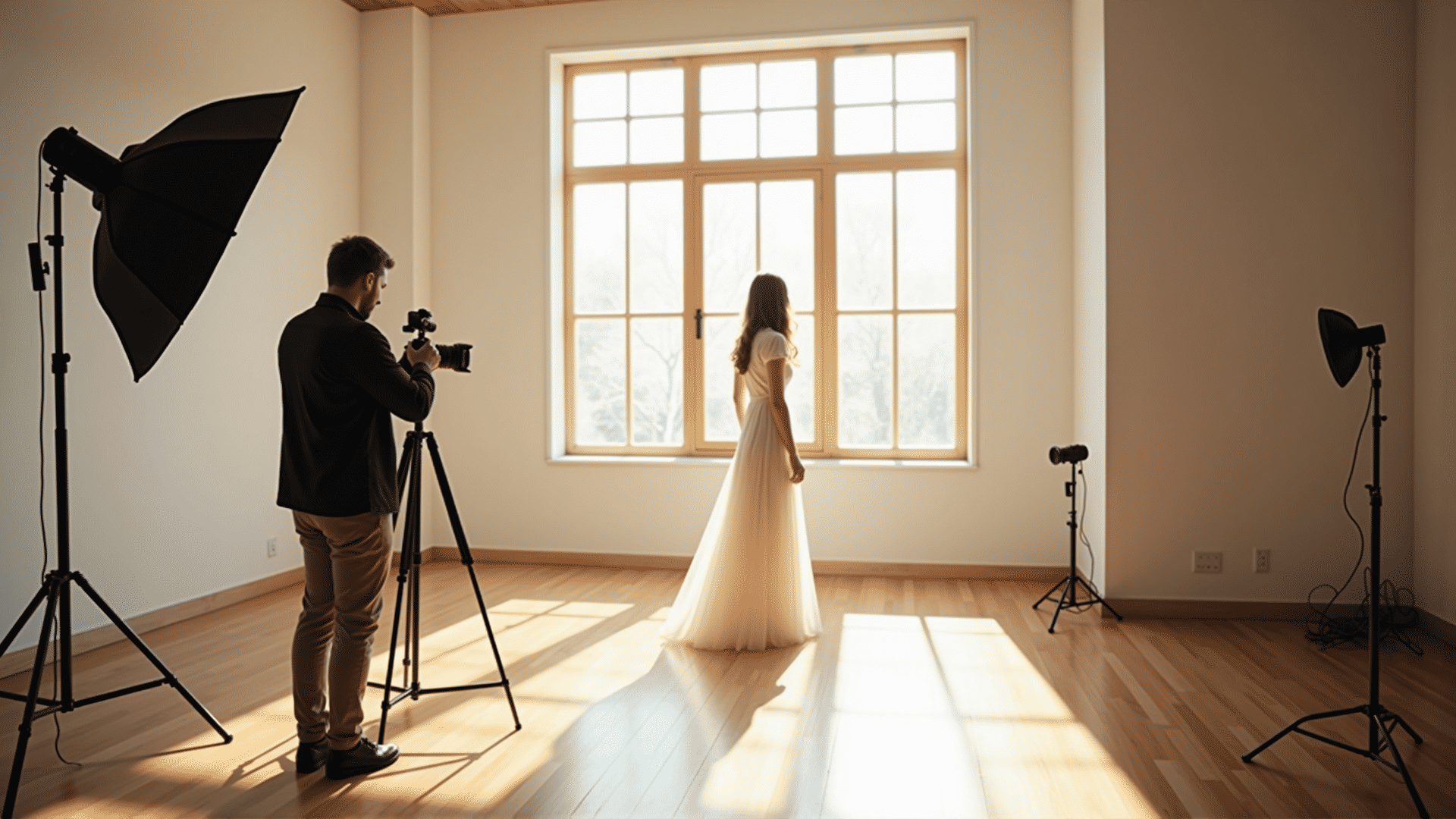
The art and science of lighting play a crucial role in transforming scenes and elevating the mood in various settings, whether it be a stunning portrait or a sweeping landscape. Lighting is more than just illumination; it is an integral component of storytelling and can deepen the emotional impact of an image.
In portrait settings, the quality and direction of light can dramatically alter the perception of the subject. Soft, diffused lighting can give a gentle and flattering effect, smoothing out imperfections and creating a serene atmosphere. This is often achieved using natural sunlight filtered through a sheer curtain or by employing studio lights with softboxes. On the other hand, hard, directional lighting can introduce drama, highlighting the contours and adding depth to the subject. This type of lighting is often used for more intense, moody portraits, where shadows add character and intrigue.
Landscapes also benefit immensely from the magic of lighting. The time of day can drastically change the mood of a scene. The golden hour, just after sunrise or before sunset, bathes everything in a warm, soft glow, making scenes look almost magical. The low angle of the sun during this time creates long shadows that add depth and texture to the landscape. Conversely, the blue hour, which occurs after sunset or before sunrise, envelops the landscape in cooler tones, providing a tranquil, mysterious mood.
Artificial lighting, such as street lamps or colored lights, can introduce unique elements and perspectives to nighttime landscapes. The play of light and shadow created by artificial sources can add an urban allure, capturing the hustle and mystery of a city at night.
Furthermore, lighting can be manipulated to evoke specific emotions and themes. Dramatic contrast between light and shadow, known as chiaroscuro, can create a sense of tension or suspense. Soft, even lighting often accompanies themes of tranquility and peace. Color temperature also plays a role in mood — warmer tones might be used for comforting scenes, while cooler tones can evoke calmness or melancholy.
In essence, understanding and mastering the nuances of lighting can transform how scenes, whether photographed or visualized, are perceived. It offers a powerful tool for creators to convey narrative and emotion, making lighting an indispensable element in the artistic process. Whether subtly nuanced or starkly dramatic, lighting holds the power to change, enhance, and elevate the story within an image.