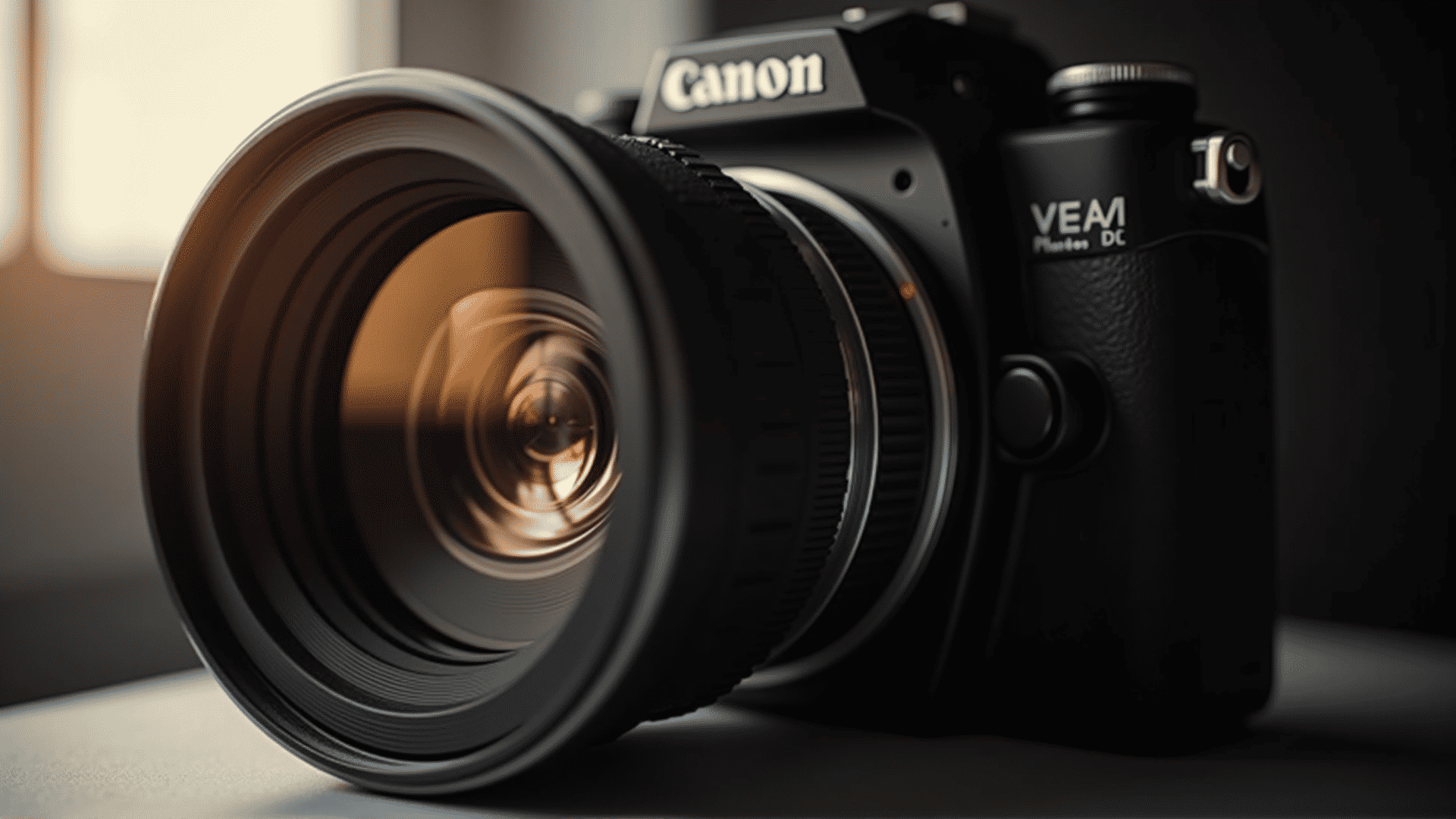
Understanding how to manage the brightness and darkness of your images is a crucial aspect of crafting visually striking and well-exposed photographs. This involves mastering the balance between light and shadow, using specific settings effectively. Here, we explore the essential elements that influence these settings and how to utilize them to achieve your desired visual outcomes.
Aperture
The aperture setting is a primary factor in controlling exposure. It refers to the size of the opening in a lens through which light enters the device. A larger opening (lower f-number) allows more light to hit the sensor, resulting in a brighter image, whereas a smaller opening (higher f-number) reduces the light entering, leading to a darker photograph. Additionally, altering the aperture impacts the depth of field, influencing how much of the scene appears in sharp focus.
Shutter Speed
Shutter speed determines how long the sensor is exposed to light. A faster setting captures less light but freezes motion effectively, making it ideal for fast-moving subjects. Conversely, a slower setting allows more light but can cause motion blur, useful for capturing movement creatively or shooting in low-light situations. Balancing this setting with aperture is key to achieving clarity and desired lighting.
ISO Sensitivity
ISO sensitivity controls the sensor's sensitivity to light. Lower numbers result in less sensitivity, producing images with finer details and less noise, ideal for brightly lit scenarios. Higher numbers increase sensitivity, helpful in dim conditions but at the cost of increased noise levels and graininess in images. Adjusting ISO should be done carefully to maintain quality while achieving optimal exposure.
Exposure Compensation
Exposure compensation helps to adjust the exposure recommended by the metering system of your device. When you find that your images are consistently overexposed or underexposed in certain conditions, tweaking this setting allows you to make precise adjustments to brighten or darken your shots without resorting to manual modes.
Understanding Histograms
Understanding and utilizing histograms can drastically improve your exposure control. Histograms graphically display the tonal distribution in image data, with shadows on the left, midtones in the center, and highlights on the right. Ensuring a balanced histogram can help avoid issues like blown-out highlights or muddy shadows.
Practical Application
The interplay between aperture, shutter speed, and ISO forms the foundation of exposure control, often referred to as the 'exposure triangle.' Practicing in various lighting conditions helps to understand how to adjust these settings harmoniously. This knowledge enables you to predict how changes will affect the final output, allowing you to make quick decisions in dynamic environments.
In conclusion, mastering exposure settings is both a technical and artistic endeavor. By understanding and experimenting with these key elements, you can gain control over how light interacts with your images, allowing you to craft photographs that faithfully capture your artistic vision.